


What's Trending | The Hidden Superstar of LEGO® Part Usage: The 1×1 Frog
WHAT'S TRENDING
The Hidden Superstar of LEGO® Part Usage: The 1×1 Frog
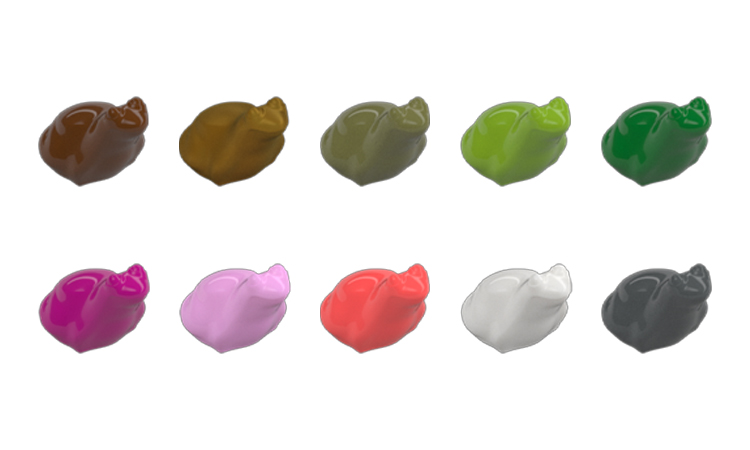
Some LEGO parts are iconic because of their shape. Some because of their function.
And then there’s the 1×1 LEGO frog — a tiny mould that quietly evolved from a simple minifigure accessory into one of the most clever, versatile, and beloved part-usage tricks in the LEGO design world.
Designers slip it into architecture, hide it inside dinosaurs, turn it into flowers, use it as creature details, and sometimes leave it as cheeky Easter eggs just for fun. It’s only a single stud in size, but its curves make it perfect for adding texture, storytelling, and personality to a build.
Here are some of the most surprising ways this miniature frog has become a true part-usage superstar.
1. Architectural Details That Look Way Too Fancy
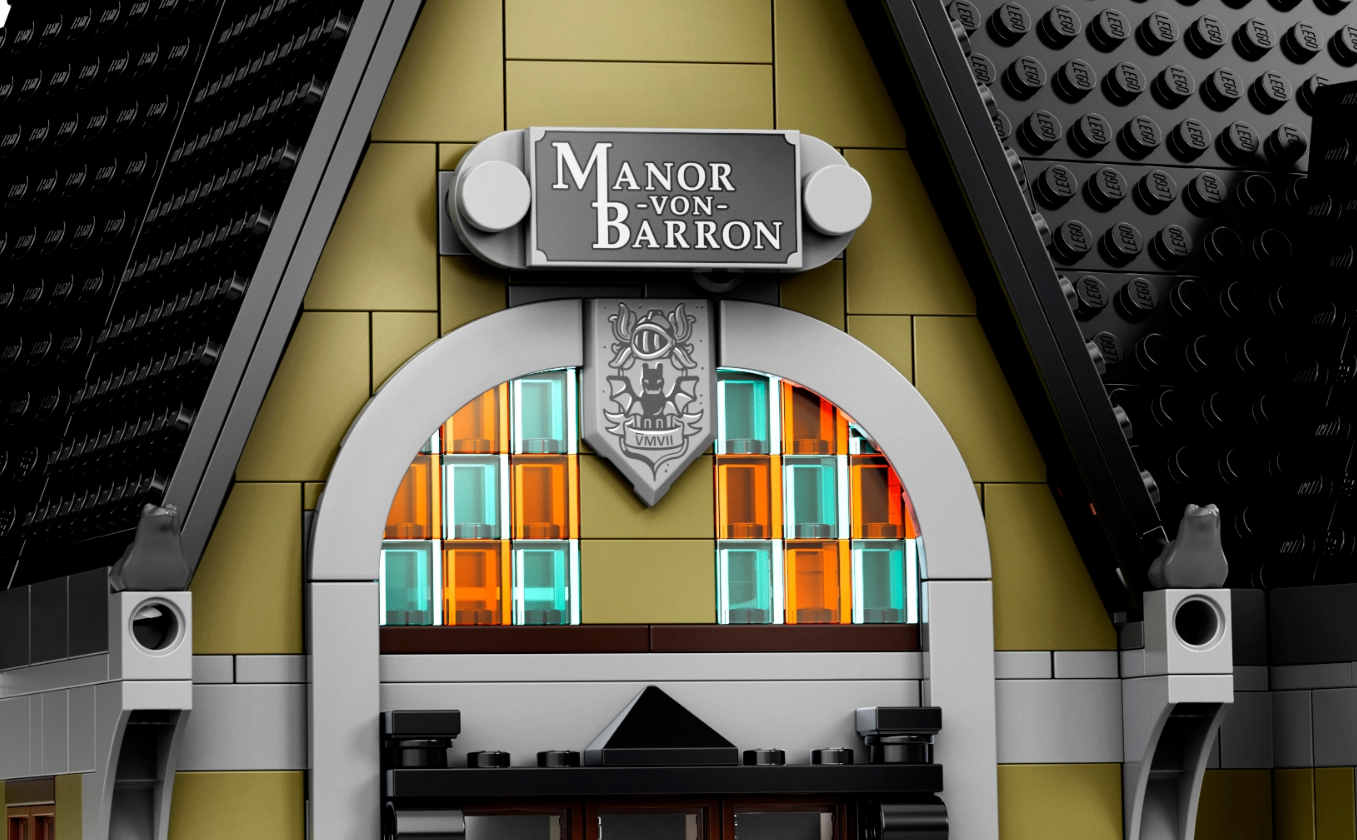
The frog’s curved profile makes it perfect for decorative trim. Flip it upside down or sideways and suddenly it looks like carved stone, gothic ornament, or elaborate metalwork.
Great example:
-
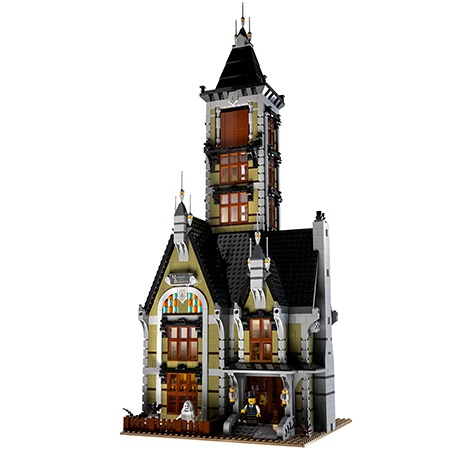
10273 Haunted House – frogs sit on the roofline as gargoyle-style ornaments, adding eerie texture you wouldn’t expect from such a tiny part.
 |
 |
Once you know this trick, you’ll start spotting frog architecture everywhere.
2. Hidden Symbolism Inside a Dinosaur
One of the most iconic frog reuses ever: in Jurassic Park, dinosaurs were completed using frog DNA… so LEGO designers paid homage to the lore.
Spot it in:
-
75936 Jurassic Park: T. rex Rampage – there’s literally a frog hidden inside the big T. rex build.
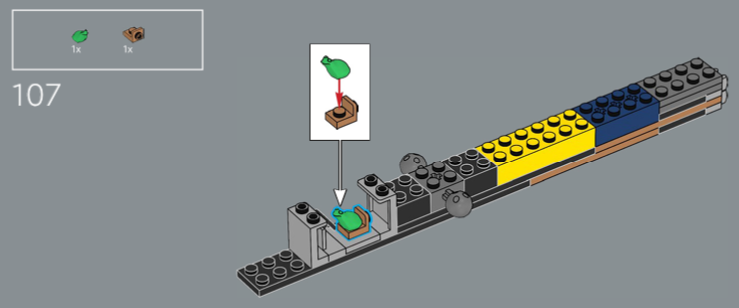
A tiny detail that perfectly blends storytelling with clever part usage.
3. Frogs as Flowers (Yes, Really)
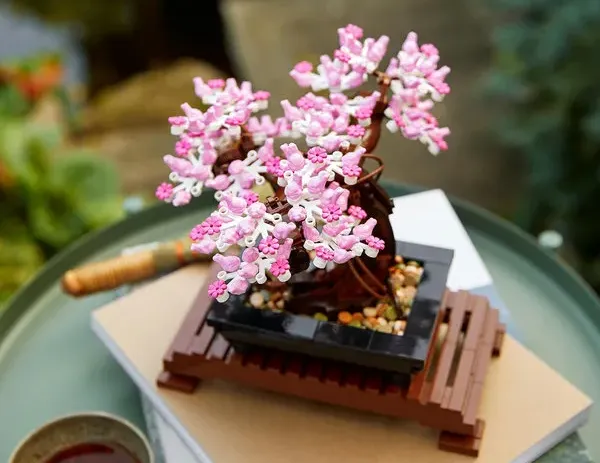
Pink frogs = cherry blossoms. AFOLs went crazy for this reinterpretation.
Seen in:
-
10281 Bonsai Tree – the alternate pink version uses frogs to create blooming sakura flowers.
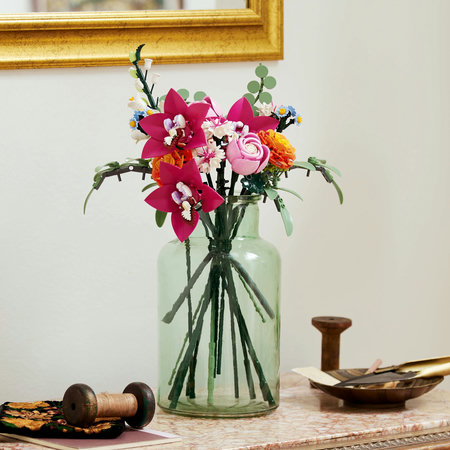
- 10342 Botanicals Pretty Pink Flower Bouquet – even more recently, a white frog is cleverly tucked into the cymbidium orchid arrangement to mimic a flower’s inner structure.
 |
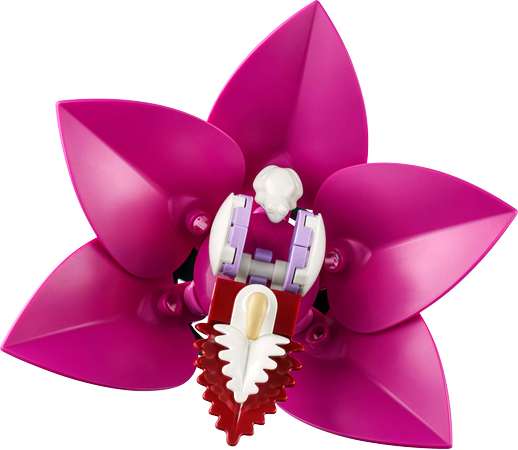 |
It’s whimsical, unexpected, and a perfect example of how a tiny mould can bring natural shapes to life in LEGO form.
4. Frogs as Ears, Horns, or Creature Details
The frog’s curve makes it ideal for shaping small creature features without needing a custom mould.
Example:
-
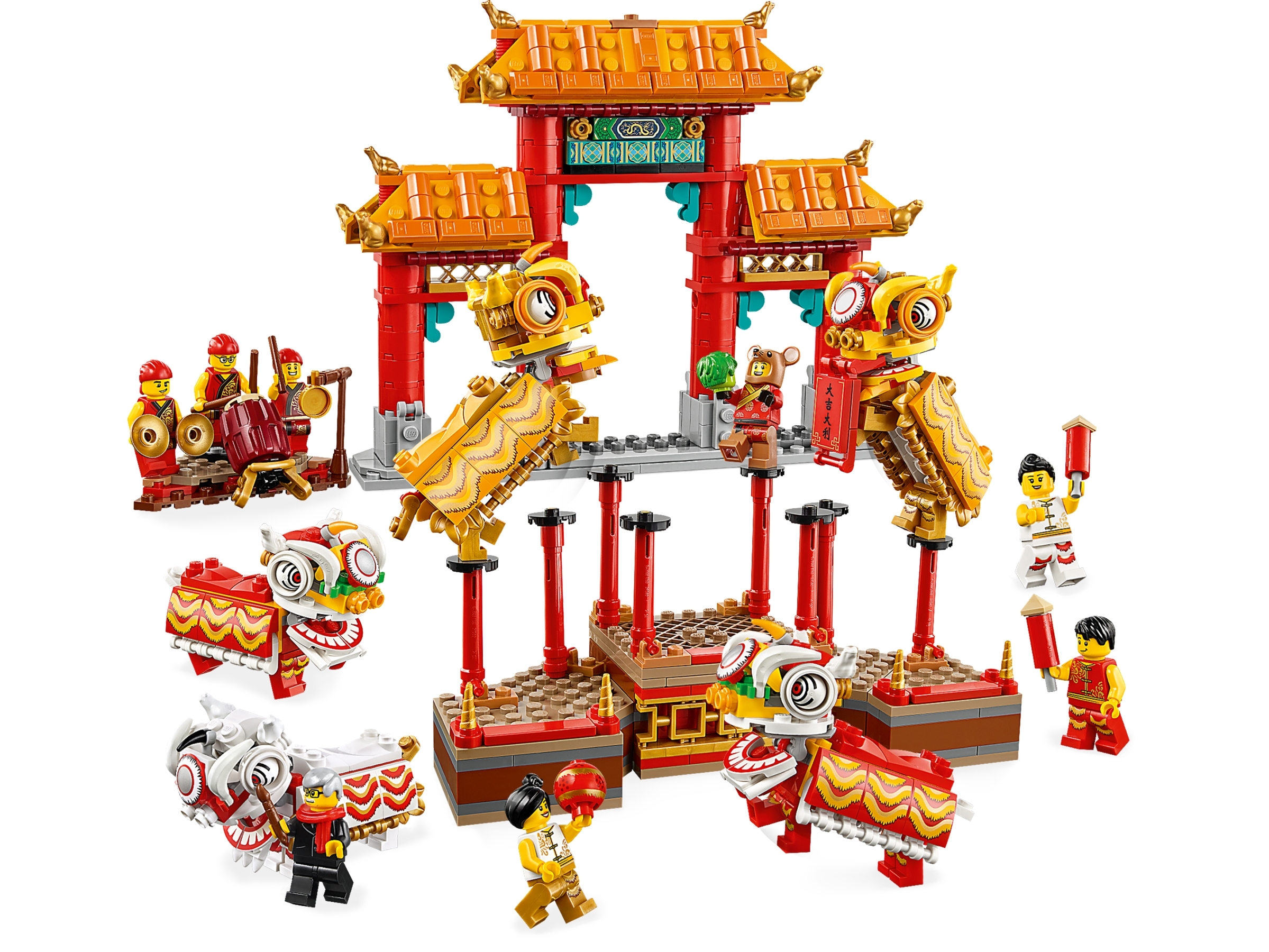
80104 Lion Dance – frogs are cleverly used as the lions’ ear details, and you’ll also spot gold frogs decorating the archway roof, adding an extra layer of festive texture to the build.
 |
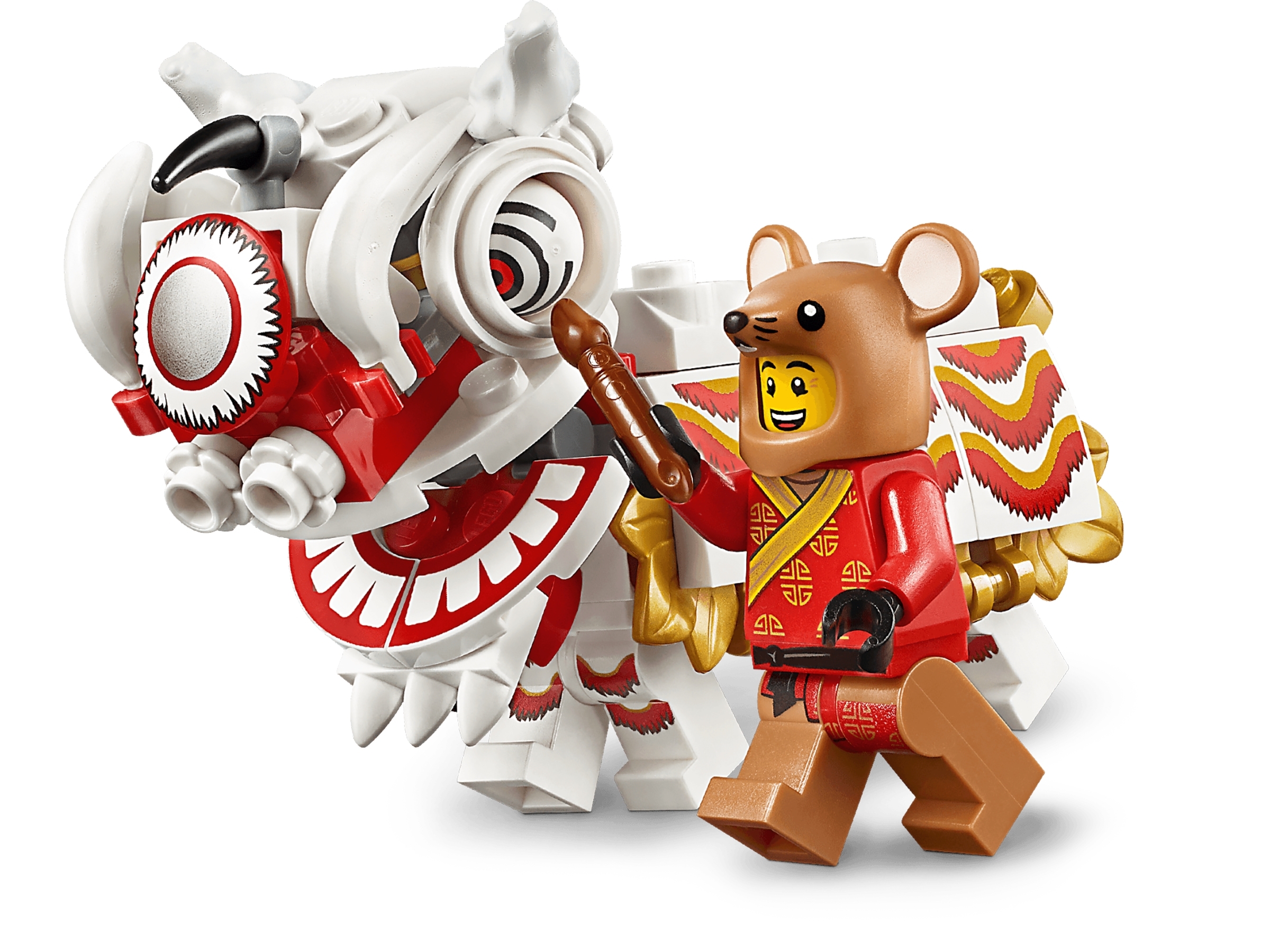 |
It’s a great showcase of how one tiny element can enhance both characters and architecture in the same set.
5. Frogs Disguised as Plants or Decorative Nodes
Because the frog has an organic silhouette, it blends seamlessly into nature builds and textured scenery.
Example:
- 10315 Tranquil Garden – small frogs appear around the koi pond, acting as lively little accents that enhance the peaceful, nature-filled scene.
.jpg?w=1000&h=667) |
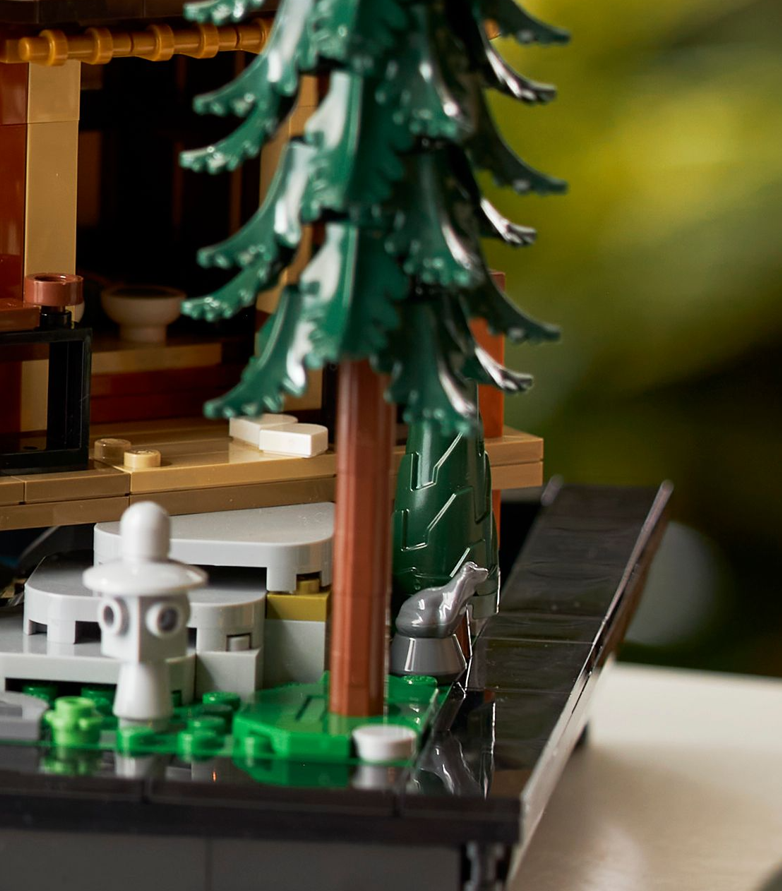 |
It’s a subtle addition, but it brings warmth and personality to the garden — the kind of detail AFOLs love discovering.
Why This Tiny Part Has a Huge Fanbase
The LEGO frog proves that part usage isn’t always about new moulds or big elements. Sometimes the most surprising creativity comes from reimagining something small.
The 1×1 frog is loved because it’s:
-
Easy to hide
-
Beautifully shaped
-
Versatile across themes
-
Perfect as an Easter egg
-
Both playful and artistic
It’s a reminder that LEGO building is full of little secrets — and discovering them is half the fun. Next time you open a new set, take a closer look… there might just be a frog hiding in plain sight.
Do you like building cool LEGO® MOC and are you a real LEGO® fan?
Share it with us by tagging us!



-0.jpg?w=1626&h=630)
.jpg?w=1626&h=630)